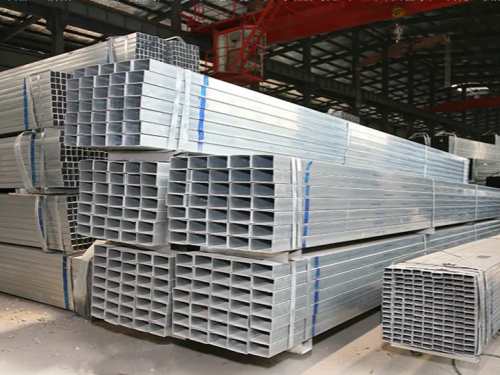
Hot-dip galvanized square and rectangular tubes are widely used in steel structures, solar mounting systems, curtain wall engineering, warehouses, agricultural projects, and industrial manufacturing. Because these steel tubes are exposed to outdoor or humid environments, buyers often prioritize corrosion resistance, zinc coating quality, and long-term durability.
The price of hot-dip galvanized square and rectangular tubes is influenced by several key factors, including steel raw material costs, zinc prices, galvanizing methods, tube specifications, market demand, and transportation expenses.
This guide explains the major price factors, current market reference prices, and practical purchasing recommendations.
What Determines the Price of Hot-Dip Galvanized Square and Rectangular Tubes?
The price of hot-dip galvanized square tube and rectangular tube products is mainly determined by five core factors:
Raw material cost
Market supply and demand
Galvanizing process and zinc coating quality
Tube specifications and dimensions
Regional transportation and logistics costs
- Raw Material Costs
Raw materials are the largest cost component in galvanized steel tube manufacturing.
Main Raw Materials
Steel Coil and Strip Steel
Hot-rolled steel coils and strip steel typically account for 70%–80% of total production costs. Changes in steel market prices directly affect finished galvanized tube prices.
Zinc Ingots
Zinc is the key material used in the hot-dip galvanizing process. Rising zinc prices significantly increase processing costs.
Impact of Steel and Zinc Prices
|
Cost Factor
|
Market Impact
|
|
Iron ore price increase
|
Raises steel mill production costs
|
|
Coke and energy cost increase
|
Increases steel manufacturing expenses
|
|
Zinc ingot price increase
|
Raises galvanizing processing cost
|
|
Steel futures market volatility
|
Affects spot market quotations
|
Industry data indicates that:
A 10% increase in steel prices may increase galvanized tube prices by approximately 8%–10%
A 10% increase in zinc prices may raise galvanizing costs by approximately 5%–8%
- Market Supply and Demand
Market demand strongly affects the selling price of galvanized square and rectangular tubes.
Demand-Side Factors
Construction and Infrastructure
Large-scale infrastructure projects, commercial buildings, bridges, and residential construction increase demand for galvanized structural tubes.
Common applications include:
Steel structure frames
Building supports
Railings and fences
Curtain wall systems
Photovoltaic mounting brackets
Industrial Manufacturing
Demand from industrial sectors also affects prices, including:
Machinery manufacturing
Agricultural greenhouse systems
Storage racks
Automotive structures
Equipment fabrication
When industrial production expands, tube demand generally rises.
Supply-Side Factors
Production Capacity
The operating rates of galvanized tube factories directly influence market supply.
Factors include:
Production line utilization
Factory maintenance shutdowns
Environmental policy restrictions
Regional manufacturing capacity
Inventory Levels
Inventory conditions significantly affect pricing trends.
|
Inventory Status
|
Price Trend
|
|
High inventory
|
Prices may decline
|
|
Low inventory
|
Prices may increase
|
|
Strong seasonal demand
|
Market becomes firmer
|
- Galvanizing Process and Coating Quality
The galvanizing process has a direct impact on corrosion resistance, service life, and final price.
Hot-Dip Galvanizing vs Electro-Galvanizing
|
Process
|
Zinc Layer Thickness
|
Corrosion Resistance
|
Typical Application
|
Price Level
|
|
Hot-dip galvanizing
|
60–100μm
|
Very high
|
Outdoor structures
|
Higher
|
|
Electro-galvanizing
|
10–30μm
|
Lower
|
Indoor applications
|
Lower
|
Hot-Dip Galvanizing Process
In the hot-dip galvanizing process, steel tubes are immersed in molten zinc.
Advantages include:
Thick zinc coating
Strong coating adhesion
Excellent rust resistance
Service life exceeding 30 years in many environments
Because the process requires higher zinc consumption and more complex production steps, hot-dip galvanized tubes are more expensive than electro-galvanized products.
Zinc Coating Quality
High-quality galvanized tubes usually feature:
Uniform zinc coating
Smooth surface finish
Strong adhesion
No peeling or exposed steel areas
Minimal zinc nodules
Products with superior galvanizing quality are commonly priced 5%–15% higher than standard-grade products.
- Tube Specifications and Dimensions
Tube dimensions significantly influence manufacturing cost and selling price.
Main specification factors include:
Side length
Wall thickness
Tube length
Unit weight
Generally, larger and thicker tubes require more steel and zinc, resulting in higher prices.
Reference Price Range for Hot-Dip Galvanized Square and Rectangular Tubes (2026)
|
Specification Category
|
Side Length Range (mm)
|
Wall Thickness (mm)
|
Price per 6m Piece (RMB)
|
Price per Ton (RMB/ton)
|
|
Small Size
|
20–50
|
1.5–2.5
|
20–100
|
4500–5500
|
|
Medium Size
|
50–100
|
2.5–4.0
|
100–400
|
4000–5000
|
|
Large Size
|
100–200+
|
4.0–8.0
|
400–1500+
|
4200–5200
|
Note: Prices are reference values for the China domestic market in May 2026. Actual prices fluctuate based on steel and zinc market conditions.
- Regional and Transportation Costs
Regional manufacturing advantages and freight expenses also affect pricing.
Major Production Areas in China
Well-known galvanized tube manufacturing regions include:
Tianjin Daqiuzhuang
Tangshan
Foshan
Because of concentrated production capacity and strong competition, prices in these regions are often lower than in remote markets.
Transportation Costs
Steel tubes are heavy products with relatively high freight costs.
Transportation expenses depend on:
Shipping distance
Trucking rates
Fuel prices
Loading quantity
Port and logistics conditions
For projects located more than 500 km from the production base, freight costs may increase by approximately:
80–150 RMB per ton
Processing Cost of Hot-Dip Galvanizing
The processing fee for converting black steel square tubes into hot-dip galvanized square tubes is generally:
|
Processing Type
|
Estimated Cost
|
|
Hot-dip galvanizing processing fee
|
1200–1600 RMB/ton
|
This cost varies depending on:
Zinc coating thickness
Tube size
Surface preparation requirements
Order quantity
How to Reduce Procurement Costs
When purchasing hot-dip galvanized square and rectangular tubes, buyers should focus on both price and product quality.
Recommended Purchasing Strategies
Monitor Steel and Zinc Prices
Track the market trends of:
Iron ore
Steel billet
Hot-rolled coil
Zinc ingots
This helps identify better purchasing periods.
Confirm the Galvanizing Method
Always verify that the product uses:
Hot-dip galvanizing, not electro-galvanizing
Request supporting documents such as:
Zinc coating thickness reports
Mill test certificates
Quality inspection reports
Compare Multiple Suppliers
Before large-volume procurement:
Request quotations from multiple manufacturers
Compare tax-included pricing
Evaluate transportation costs
Confirm production lead times
FAQ
- What is the price range of hot-dip galvanized square tubes?
Most prices range from 4000–5500 RMB/ton, depending on size, wall thickness, and zinc coating.
- Why are hot-dip galvanized tubes more expensive?
They require additional zinc coating and galvanizing processing, which increases production costs.
- What is the typical zinc coating thickness?
Hot-dip galvanized tubes usually have a zinc layer of 60–100μm.
- How long can hot-dip galvanized tubes last?
In normal outdoor environments, service life can exceed 20–30 years.
- What industries use galvanized square and rectangular tubes?
They are widely used in construction, solar projects, steel structures, warehouses, and machinery manufacturing.

 English
 Español