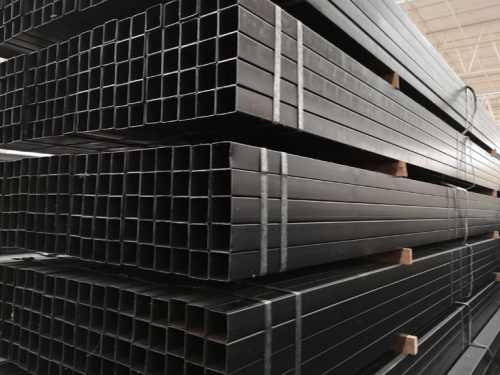
Seamless steel pipes are widely used in power plants, petrochemical systems, machinery manufacturing, automotive engineering, and infrastructure projects. Different industrial applications require different wall thicknesses to meet pressure, strength, corrosion resistance, and service life requirements.
The wall thickness of a seamless steel pipe is not selected randomly. It is determined by a combination of working conditions, manufacturing processes, safety standards, and cost control considerations.
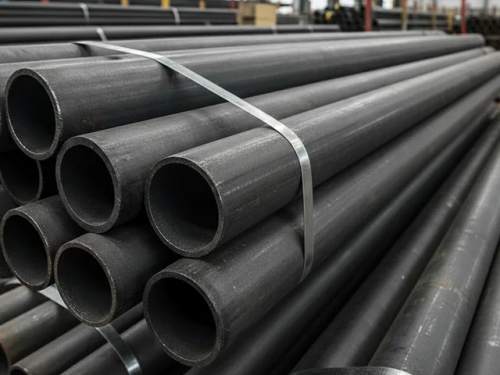
What Determines Seamless Steel Pipe Wall Thickness?
The wall thickness of seamless steel pipes mainly depends on:
Working pressure
Operating temperature
Structural load requirements
Corrosion environment
Manufacturing process capability
Economic efficiency
Different industries require different wall thickness ranges according to their operating conditions.
Relationship Between Application and Wall Thickness
Different applications require different pressure-bearing capacities and mechanical performance.
|
Application Industry
|
Working Conditions
|
Common Wall Thickness Range
|
|
High-Pressure Boilers
|
High pressure and temperature
|
Thick wall pipe, SCH80+
|
|
Petrochemical Fluid Transport
|
Corrosive medium and medium pressure
|
SCH40–SCH80
|
|
Mechanical Structures
|
Load-bearing applications
|
SCH20–SCH40
|
|
Precision Machinery
|
Lightweight and high precision
|
0.5–3 mm
|
|
Geological Drilling
|
Heavy load and harsh environment
|
Extra-thick wall pipe
|
Thicker walls generally provide:
Higher pressure resistance
Better structural strength
Improved service life
Thin-wall pipes are mainly used where lightweight design and precision machining are important.
Wall Thickness Calculation of Seamless Steel Pipes
The minimum wall thickness can be calculated according to pressure and pipe dimensions.
The commonly used formula is:
t=P×D/2[σ]ϕ+P
Where:
P = Working pressure (MPa)
D = Outer diameter (mm)
[σ] = Allowable stress (MPa)
ϕ = Weld coefficient
t = Minimum wall thickness (mm)
This formula helps engineers determine safe wall thickness requirements for industrial piping systems.
How Manufacturing Processes Affect Wall Thickness
Different seamless steel pipe manufacturing processes support different wall thickness ranges and precision levels.
Hot Rolled Seamless Steel Pipe
Hot rolling is commonly used for:
Structural pipes
Large-diameter pipes
Fluid transportation systems
Characteristics:
Wall thickness ≥2.5 mm
High production efficiency
Lower manufacturing cost
Moderate dimensional precision
Cold Drawn and Cold Rolled Precision Tubes
Cold processing is mainly used for:
Precision machinery
Automotive components
Hydraulic systems
Characteristics:
Wall thickness: 0.5–20 mm
High dimensional accuracy
Smooth surface finish
Higher production cost
Spinning Process
Cold spinning and hot spinning are used for:
Thick-wall pipes
Special-shaped tubes
Aerospace equipment
Characteristics:
Variable wall thickness capability
High flexibility
Suitable for customized production
Effects of Wall Thickness Changes
Under the same outer diameter, changing the wall thickness directly affects pipe performance.
Pressure Resistance
Thicker wall pipes can withstand higher internal pressure and reduce the risk of leakage or burst failure.
Structural Strength
Increasing wall thickness improves bending stiffness and load-bearing capability.
Weight and Cost
Thicker walls increase:
Steel consumption
Transportation cost
Installation difficulty
Manufacturing expense
Excessive wall thickness may reduce material efficiency and increase project cost unnecessarily.
Economic Balance in Wall Thickness Selection
Selecting the correct wall thickness requires balancing safety and economy.
|
Selection
|
Advantages
|
Disadvantages
|
|
Thin Wall
|
Lower cost and lighter weight
|
Lower strength and shorter lifespan
|
|
Thick Wall
|
High pressure resistance
|
Higher material and production cost
|
|
Optimized Thickness
|
Balanced safety and cost
|
Requires engineering calculation
|
In practical engineering, wall thickness is usually determined by:
Theoretical calculation
Corrosion allowance
Manufacturing tolerance compensation
Standard specification requirements
Why Corrosion Allowance Is Important
In corrosive environments, engineers usually add extra wall thickness as a corrosion allowance.
Typical corrosion allowance:
1 mm – 3 mm
This helps extend service life and improve operational safety in petrochemical, offshore, and industrial systems.
Conclusion
The wall thickness difference of seamless steel pipes is mainly determined by the balance between:
Functional requirements
Manufacturing capability
Safety standards
Cost efficiency
High-pressure and heavy-load applications require thicker wall pipes, while precision engineering and lightweight systems often use thin-wall tubing.
Choosing the correct seamless steel pipe wall thickness helps improve:
Safety
Durability
Pressure performance
Material utilization
Long-term operating efficiency
Proper wall thickness selection is essential for reliable industrial piping and structural engineering applications.
FAQ About Seamless Steel Pipe Wall Thickness
- Why do seamless steel pipes have different wall thicknesses?
Different applications require different pressure resistance, strength, and corrosion performance.
- Which industries use thick-wall seamless steel pipes?
Power plants, mining, geological drilling, and high-pressure systems commonly use thick-wall pipes.
- What process is used for precision seamless steel tubes?
Cold drawing and cold rolling processes are commonly used for precision tubing.
- Does thicker wall thickness mean better performance?
Not always. Excessive thickness increases weight and cost. Proper engineering calculation is important.
- What factors affect wall thickness selection?
Pressure, temperature, corrosion environment, manufacturing process, and service life requirements all affect wall thickness selection.

 English
 Español