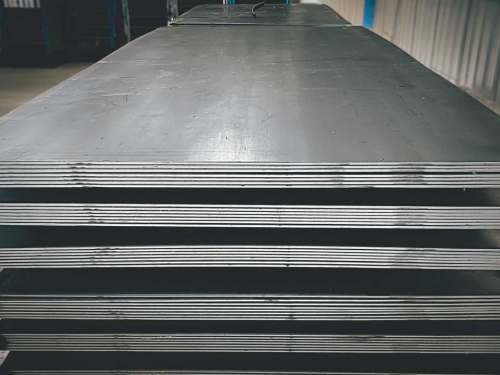
Why Pre-Delivery Inspection of LSAW Steel Pipes Is Important
LSAW steel pipes are widely used in oil and gas transmission, offshore engineering, structural piling, water transportation, and high-pressure pipeline systems. Because these projects often operate under extreme pressure, temperature, and environmental conditions, strict quality inspection before delivery is essential.
Pre-delivery inspection helps ensure:
Pipeline safety and reliability
Compliance with API 5L, ASTM, and EN standards
Weld integrity and pressure resistance
Long-term corrosion protection
Reduced project failure risks
Leading LSAW pipe manufacturers and third-party inspection agencies typically perform a complete series of dimensional, mechanical, non-destructive, and coating inspections before shipment.
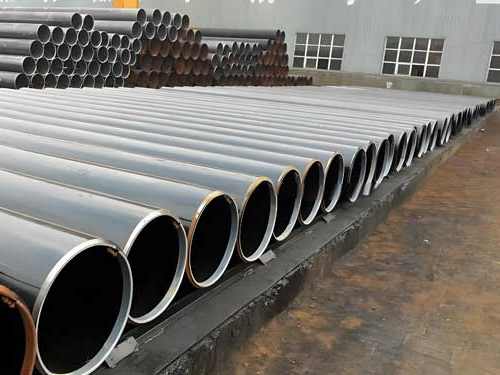
Main Inspection Methods for LSAW Steel Pipes
- Visual and Dimensional Inspection
The first step of LSAW steel pipe inspection is checking the pipe surface quality and geometric dimensions.
Surface Inspection
Inspectors carefully examine the internal and external pipe surfaces for:
Cracks
Scars
Folds
Dents
Surface scratches
Weld defects
Any defect exceeding the allowable tolerance must be repaired or rejected.
Dimensional Inspection
Manufacturers use laser measuring equipment, ultrasonic thickness gauges, and straightness testing methods to verify:
|
Inspection Item
|
Typical Requirement
|
|
Outside Diameter
|
±0.5% of pipe diameter
|
|
Wall Thickness
|
Within specification tolerance
|
|
Straightness
|
≤1.5 mm per meter
|
|
Length
|
According to order requirements
|
|
Out-of-Roundness
|
Controlled within standard limits
|
Accurate dimensions are critical for pipeline welding, installation, and field assembly.
Weld Appearance Inspection
Weld seams are inspected for:
Weld reinforcement
Undercut
Misalignment
Smooth weld transition
Proper weld profile design helps reduce stress concentration and future cracking risks.
- Non-Destructive Testing (NDT) of LSAW Pipes
Non-destructive testing is one of the most important quality control procedures for LSAW steel pipes.
Ultrasonic Testing (UT)
Ultrasonic testing uses high-frequency sound waves to detect internal weld defects such as:
Lack of fusion
Slag inclusion
Porosity
Cracks
UT is widely used because it offers high detection accuracy and fast inspection speed.
Radiographic Testing (RT)
Radiographic testing uses X-rays or gamma rays to inspect weld quality internally. RT provides clear imaging of volumetric weld defects and is commonly required for critical pipeline projects.
Magnetic Particle Testing (MT)
Magnetic particle testing is mainly used to detect:
Surface cracks
Near-surface defects
Pipe end defects
MT is especially effective for ferromagnetic materials such as carbon steel LSAW pipes.
Penetrant Testing (PT)
Penetrant testing can identify small surface-breaking defects that may not be visible during visual inspection.
- Hydrostatic Testing of LSAW Steel Pipes
Every LSAW steel pipe normally undergoes hydrostatic pressure testing before delivery.
During hydrostatic testing:
The pipe is filled with clean water
Pressure is increased to 1.25–1.5 times the design pressure
Pressure is maintained for several seconds
Inspectors monitor for leakage or deformation
Hydrostatic Test Requirements
|
Test Item
|
Standard Requirement
|
|
Test Medium
|
Clean water
|
|
Test Pressure
|
1.25–1.5× design pressure
|
|
Holding Time
|
Several seconds
|
|
Acceptance Standard
|
No leakage or deformation
|
Only pipes that successfully pass hydrostatic testing can proceed to shipment.
- Mechanical Testing for LSAW Pipes
Mechanical testing verifies whether the steel pipe meets strength and toughness requirements.
Common mechanical tests include:
Tensile strength testing
Yield strength testing
Elongation testing
Hardness testing
Impact testing
Impact testing is particularly important for low-temperature pipeline applications where fracture resistance is critical.
- Anti-Corrosion Coating Inspection
For buried or offshore pipelines, coating quality directly affects pipeline service life.
Common coating systems include:
3PE coating
FBE coating
Epoxy coating
Coating Inspection Items
|
Inspection Method
|
Purpose
|
|
Adhesion Test
|
Measures coating bonding strength
|
|
Thickness Measurement
|
Verifies coating thickness consistency
|
|
Holiday Detection
|
Detects coating pinholes or damage
|
|
Cathodic Disbondment Test
|
Evaluates long-term corrosion resistance
|
Proper coating inspection helps ensure long-term pipeline protection in corrosive environments.
Additional Quality Control Requirements for LSAW Pipes
Weld Inspection Requirements
For pipelines transporting:
Oil
Natural gas
Flammable media
High-pressure fluids
Manufacturers often require 100% weld non-destructive testing to ensure maximum safety and reliability.
Pressure and Sealing Tests
Sealing performance may also be verified through:
Hydrostatic testing
Pneumatic testing
Kerosene leak testing
These tests help confirm that the weld and pipe body are free from leakage defects.
Why Comprehensive LSAW Pipe Inspection Matters
Strict inspection before delivery helps manufacturers ensure:
Compliance with international standards
Stable mechanical performance
Reliable weld quality
Long pipeline service life
Reduced maintenance and operational risks
For critical pipeline projects, complete inspection documentation and traceability are also essential for project approval and long-term operational safety.
FAQ
- Why is hydrostatic testing important for LSAW pipes?
Hydrostatic testing verifies the pipe’s pressure resistance and sealing performance before delivery.
- Which NDT methods are commonly used for LSAW pipes?
Common methods include UT, RT, MT, and PT for detecting internal and surface defects.
- Are all LSAW pipes tested before shipment?
Most industrial standards require dimensional inspection, weld inspection, and hydrostatic testing before delivery.
- What coating inspections are performed on LSAW pipes?
Manufacturers usually perform adhesion testing, thickness measurement, holiday detection, and cathodic disbondment testing.
- Why is weld inspection critical for LSAW steel pipes?
The weld seam is the most important structural area of an LSAW pipe and directly affects pipeline safety and service life.

 English
 Español