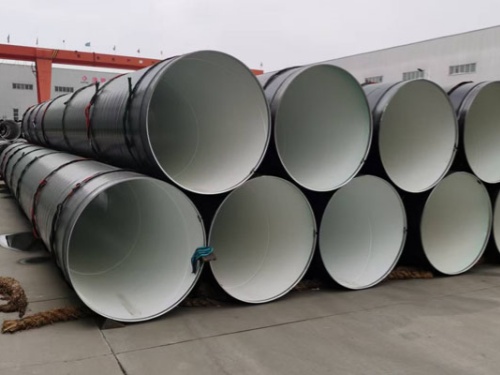
Plastic-coated steel pipes are steel–plastic composite pipes designed to improve corrosion resistance, durability, and service life in water supply, fire protection, mining, and municipal engineering systems. Their anti-corrosion performance mainly depends on the coating material, application environment, and installation method.
-
Anti-Corrosion Coating Materials for Plastic-Coated Steel Pipes
Plastic-coated steel pipes typically use epoxy powder coatings or polyethylene (PE) coatings for corrosion protection.
During production, the steel pipe surface undergoes shot blasting for rust removal, followed by medium-frequency heating. The coating is then applied using electrostatic spraying, and the powder melts and cures to form a protective layer.
Common coating structures include:
Internal and external plastic-coated steel pipes
Externally galvanized and internally plastic-coated steel pipes
Internal epoxy-coated steel pipes with external polyethylene coating
TPEP anti-corrosion plastic-coated steel pipes
Epoxy powder coatings are widely used because of their strong adhesion, chemical resistance, and long-term durability.
-
Plastic-Coated Steel Pipe Applications in Different Industries
According to their application fields, plastic-coated steel pipes can be classified as:
Fire protection plastic-coated steel pipes
Mining plastic-coated steel pipes
Water supply plastic-coated steel pipes
Drinking water plastic-coated pipelines
Cable protection plastic-coated steel pipes
Each type is designed to meet specific corrosion resistance and safety requirements.
-
Plastic-Coated Steel Pipes Classified by Installation Environment
Based on installation conditions, plastic-coated steel pipes can be divided into:
Overhead plastic-coated steel pipes
Municipal utility tunnel plastic-coated steel pipes
Buried plastic-coated steel pipes
Buried pipelines often require stronger external anti-corrosion protection due to soil moisture and underground chemical exposure.
-
Plastic-Coated Steel Pipe Connection Methods
Plastic-coated steel pipes can also be categorized based on connection methods:
Threaded connection plastic-coated steel pipes
Grooved connection plastic-coated steel pipes
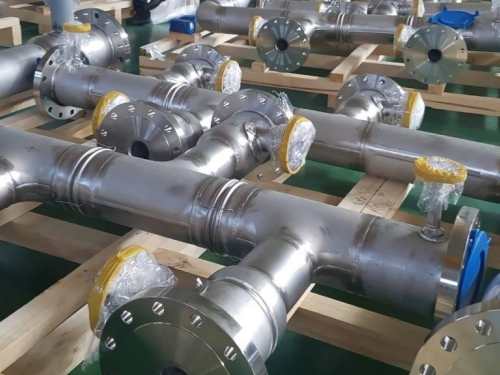
Flange connection plastic-coated steel pipes
Bimetallic welded plastic-coated steel pipes
Flexible socket plastic-coated steel pipes
Selecting the correct connection method helps ensure pipeline safety and long-term sealing performance.
-
Do Plastic-Coated Steel Pipes Require Additional Anti-Corrosion Coating?
If both the internal and external surfaces are plastic-coated, additional anti-corrosion painting is generally unnecessary.
However:
Internal coating + external insulation → no extra coating needed
Internal coating + exposed external steel surface → additional anti-corrosion coating recommended
Proper surface protection ensures long-term corrosion resistance and system reliability.
Conclusion: Choosing the Right Anti-Corrosion Type of Plastic-Coated Steel Pipes
Plastic-coated steel pipes are widely used in water supply systems, fire protection pipelines, mining engineering, and municipal infrastructure.
Their anti-corrosion performance depends on factors such as:
coating materials
application environments
installation conditions
connection methods
By selecting the appropriate plastic-coated steel pipe type, engineers can achieve long service life, reliable corrosion protection, and stable pipeline performance.
FAQ
- What coatings are used for plastic-coated steel pipes?
The most common coatings are epoxy powder and polyethylene (PE).
- Where are plastic-coated steel pipes used?
They are widely used in water supply, fire protection, mining, and cable protection systems.
- Do plastic-coated steel pipes need additional anti-corrosion treatment?
Fully coated pipes usually do not require extra anti-corrosion painting.
- What is the service life of plastic-coated steel pipes?
Their design service life can reach about 50 years.
- Can plastic-coated steel pipes be welded during installation?
Welding is generally not recommended because it may damage the coating.

 English
 Español