Does carbon steel pipe rust?
Yes. Carbon steel pipe will rust when exposed to moisture, oxygen, and corrosive environments over time. Unlike stainless steel, carbon steel pipe does not contain sufficient chromium to form a self-protective oxide layer, making it more susceptible to oxidation and corrosion.
However, with proper coatings, maintenance, and storage practices, the service life of carbon steel pipe can be significantly extended.
Why Does Carbon Steel Pipe Rust?
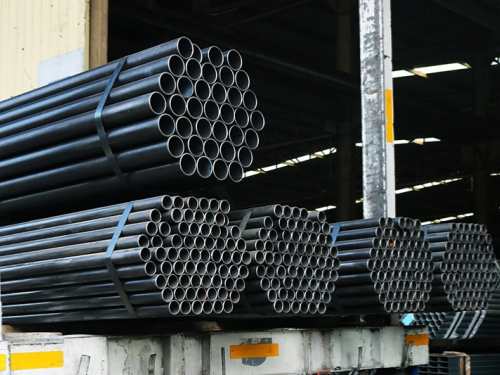
Carbon steel pipe is primarily composed of iron and carbon. When iron reacts with oxygen and water, it forms iron oxide, commonly known as rust.
The basic corrosion process requires:
Oxygen
Moisture
Exposed steel surface
Once corrosion begins, it can gradually reduce wall thickness, weaken structural integrity, and increase maintenance costs.
Which Rusts Faster: Seamless or Welded Carbon Steel Pipe?
In general, welded carbon steel pipe is more vulnerable to localized corrosion than seamless carbon steel pipe.
Welded Carbon Steel Pipe
Potential corrosion risks include:
Heat-affected zones (HAZ)
Residual welding stress
Weld seam imperfections
Inadequate weld coating protection
If anti-corrosion treatment is insufficient, rust often develops first around the weld area.
Seamless Carbon Steel Pipe
Because seamless pipes have no weld seams:
More uniform microstructure
Fewer corrosion-prone locations
Better overall structural consistency
However, seamless pipe is not rust-proof. Both seamless and welded carbon steel pipes will corrode in humid, oxygen-rich, or saltwater environments if left unprotected.
Main Factors That Accelerate Carbon Steel Pipe Corrosion
- Moisture and Humidity
Water is the primary cause of rust formation.
Higher humidity levels significantly increase corrosion rates, especially in outdoor installations.
- Oxygen Exposure
Oxygen reacts with iron to initiate oxidation.
The combination of oxygen and moisture creates ideal conditions for rust development.
- Saltwater and Chemicals
Aggressive environments can dramatically accelerate corrosion:
Marine environments
Offshore platforms
Coastal facilities
Chemical plants
Salt and chemical contaminants break down protective coatings and promote rapid rusting.
- Surface Damage
Damaged protective coatings expose bare metal to the environment.
Common causes include:
Scratches
Impact damage
Abrasion
Improper handling
Corrosion often starts at these exposed areas.
How to Prevent Carbon Steel Pipe from Rusting
Apply Protective Coatings
Protective coatings create a barrier between the steel surface and the environment.
Common options include:
Painting systems
Powder coating
Fusion Bonded Epoxy (FBE)
2PE and 3PE coatings
Galvanized zinc coating
These solutions significantly improve corrosion resistance.
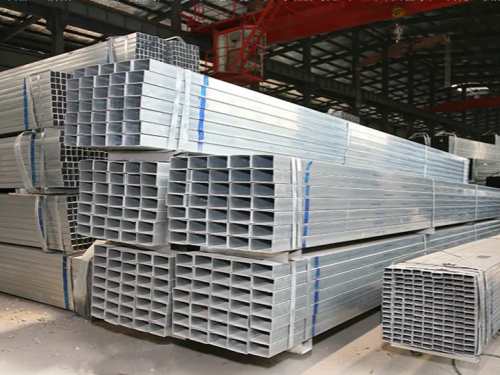
Use Galvanized Carbon Steel Pipe
Galvanization applies a zinc layer to the pipe surface.
Benefits include:
Enhanced corrosion protection
Longer outdoor service life
Lower maintenance requirements
The zinc coating acts as sacrificial protection even if the surface becomes damaged.
Perform Regular Maintenance
Routine inspections help identify corrosion before it becomes severe.
Recommended practices:
Keep surfaces clean
Remove standing water
Repair damaged coatings
Eliminate rust spots promptly
Preventive maintenance is usually less expensive than replacement.
Store Pipes Properly
Storage conditions play a major role in corrosion prevention.
Best practices include:
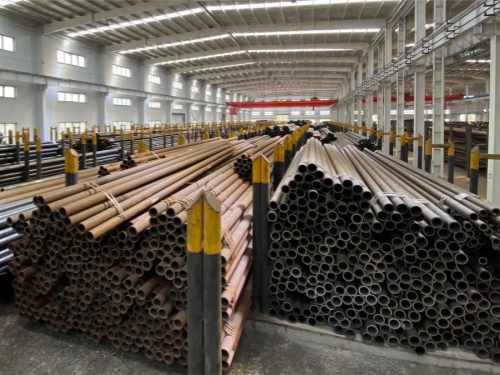
Store in dry, covered areas
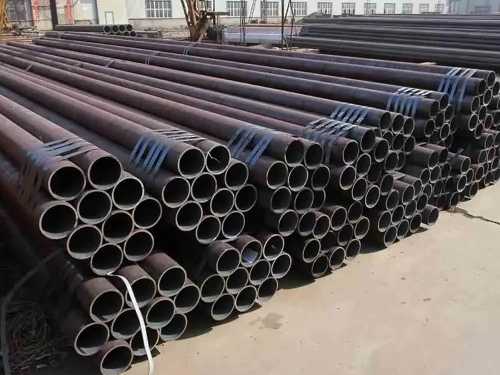
Keep pipes off the ground
Ensure proper ventilation
Avoid prolonged exposure to rain and moisture
Proper storage reduces the likelihood of early corrosion before installation.
Quick Corrosion Prevention Guide
|
Environment
|
Recommended Protection
|
|
Indoor Dry Areas
|
Paint or Primer
|
|
Outdoor Construction
|
Galvanized Coating
|
|
Underground Pipelines
|
FBE, 2PE, 3PE
|
|
Marine Environment
|
Heavy-Duty Coating Systems
|
|
Chemical Facilities
|
Specialized Corrosion Protection
|
FAQ
Does carbon steel pipe rust easily?
Yes. Carbon steel pipe will rust when exposed to moisture and oxygen without protective coatings.
Is seamless carbon steel pipe more corrosion-resistant than welded pipe?
Generally yes. Seamless pipe has no weld seam, reducing potential corrosion weak points.
Can galvanized carbon steel pipe rust?
Yes, but the zinc coating significantly delays corrosion and extends service life.
What is the best way to prevent carbon steel pipe from rusting?
Applying protective coatings and storing pipes in dry environments are the most effective methods.
Is carbon steel pipe suitable for outdoor use?
Yes. With proper coatings such as galvanizing, FBE, or 3PE, carbon steel pipe performs well in outdoor environments.
Conclusion
Carbon steel pipe is naturally susceptible to rust because it lacks the chromium content required for self-protection. However, corrosion can be effectively controlled through coatings, galvanization, routine maintenance, and proper storage. When protected correctly, carbon steel pipe remains one of the most economical and widely used materials for construction, infrastructure, and industrial piping systems.

 English
 Español