Quick Overview
Seamless steel pipe production is subject to multiple policy constraints, primarily related to environmental protection, energy consumption, and product quality standards. While these regulations increase compliance costs, they also drive technological upgrades, cleaner production, and higher product quality, ultimately strengthening industry competitiveness.
Why Are Policies Important for Seamless Steel Pipe Production?
Seamless steel pipes are critical materials used in oil & gas, chemical processing, power generation, and aerospace industries. Because of their role in high-pressure and high-risk applications, governments impose strict regulations to ensure:
Environmental sustainability
Operational safety
Product reliability
As a result, production is not unrestricted and must comply with national and international policies.
Environmental Policies Affecting Seamless Steel Pipe Production
High Energy Consumption and Emission Control
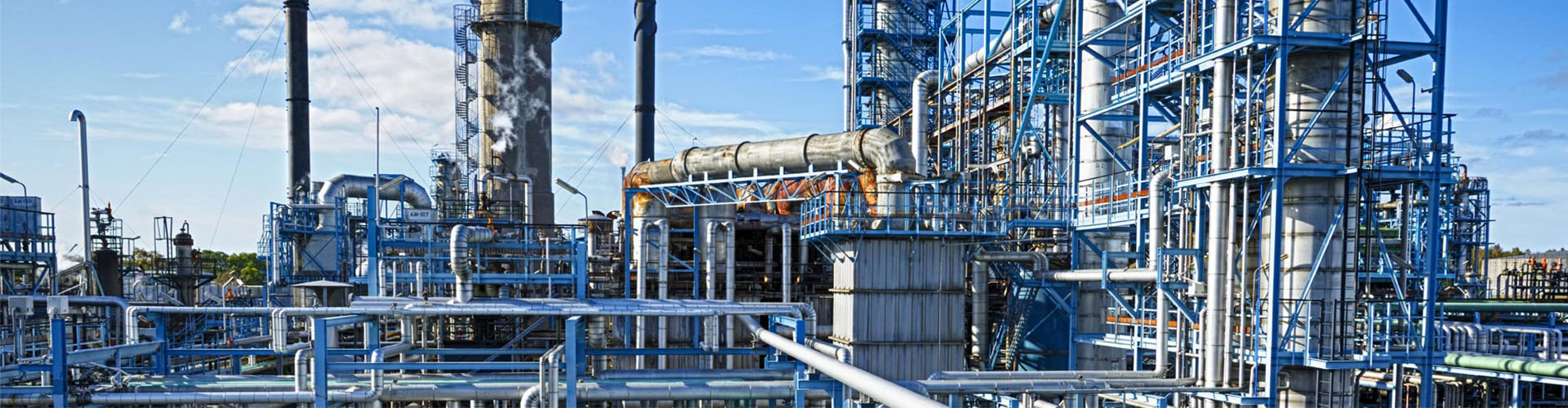
Seamless steel pipe manufacturing involves high-temperature heating, rolling, and heat treatment, making it a high-energy and high-emission process.
Governments worldwide enforce:
Emission limits (CO₂, SO₂, NOx)
Energy consumption caps
Restrictions on outdated production capacity
Impact on Manufacturers
To comply, producers must:
Upgrade to energy-efficient furnaces and rolling lines
Implement waste gas treatment systems
Optimize production processes to reduce emissions
This increases short-term costs, but improves long-term sustainability.
Global Regulatory Trends
China: Capacity reduction policies and ultra-low emission standards
EU: Strict industrial emission directives and carbon regulations
USA: Environmental compliance tied to manufacturing permits
Quality and Safety Regulations in Seamless Steel Pipe Production
Why Quality Policies Matter
Seamless steel pipes are often used in:
High-pressure pipelines
Boilers and heat exchangers
Critical mechanical systems
Any defect may lead to leakage, failure, or safety accidents.
Common Regulatory Requirements
Manufacturers must comply with:
Material standards (e.g., chemical composition control)
Mechanical property requirements
Non-destructive testing (NDT) such as ultrasonic testing
Hydrostatic pressure testing
Certification and Inspection
Typical compliance includes:
ISO quality management systems
Third-party inspection (SGS, BV, etc.)
Traceability of raw materials and production batches
How Policy Restrictions Impact the Industry
Challenges
Increased production costs (environmental + quality compliance)
Higher technical barriers for entry
Elimination of outdated or non-compliant factories
Opportunities
Drives automation and intelligent manufacturing
Improves product consistency and reliability
Enhances global competitiveness
In practice, compliant manufacturers gain:
Access to international markets
Higher-value projects
Stronger brand credibility
Future Trends in Policy and Compliance
Seamless steel pipe production is moving toward:
Green manufacturing (low carbon, energy-efficient processes)
Digital quality control systems (MES, real-time monitoring)
Stricter global standards harmonization
Lifecycle environmental assessment (LCA)
These trends indicate that policy influence will continue to strengthen.
FAQ
- Are seamless steel pipes heavily regulated?
Yes. Production is regulated by environmental laws, energy policies, and strict quality standards to ensure safety and sustainability.
- Why is seamless pipe production considered high-risk for regulation?
Because it involves high energy consumption and is used in critical pressure systems, requiring strict control over quality and emissions.
- Do environmental policies increase pipe costs?
Yes, compliance increases production costs, but it also improves product quality and long-term reliability.
- What standards apply to seamless steel pipes?
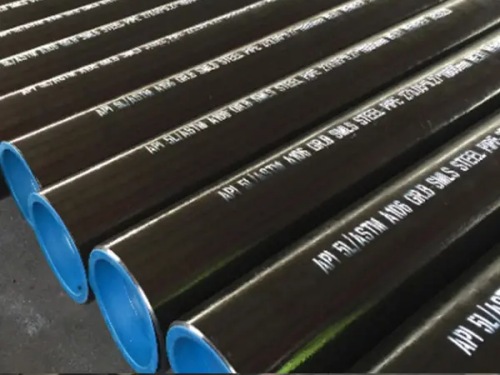
Common standards include API, ASTM, EN, and ISO, covering material, dimensions, and testing requirements.
- Are policy restrictions beneficial to the industry?
Yes. While they create pressure, they also eliminate low-quality production and promote high-end, sustainable manufacturing.
Conclusion
Seamless steel pipe production is clearly subject to policy restrictions, especially in terms of environmental protection and product quality. Although these regulations increase compliance requirements, they also accelerate technological innovation, industry upgrading, and global competitiveness.
For manufacturers and buyers alike, understanding and aligning with these policies is essential for long-term success in the global steel pipe market.

 English
 Español