Copper-nickel (CuNi) tubes are widely recognized for their exceptional corrosion resistance, stable mechanical performance, and long service life, making them a preferred material in marine, energy, HVAC, and industrial heat transfer systems. Their ability to withstand seawater, high temperatures, and aggressive operating environments has positioned copper-nickel pipes as a reliable solution for critical fluid and thermal applications.
Common advantages of copper-nickel tubes include strong resistance to biofouling, excellent thermal conductivity, ease of forming and fabrication, and low lifecycle maintenance requirements. However, their relatively higher material cost and the need for qualified welding procedures should be considered during project planning.
This article provides a structured overview of copper-nickel tube definitions, alloy grades, major application sectors, and key selection factors.
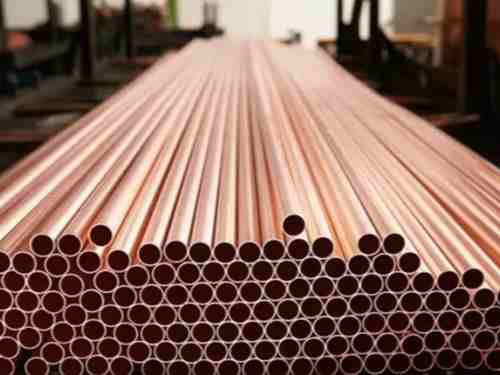
What Are Copper-Nickel Tubes?
Copper-nickel tubes are pipes manufactured from a copper-based alloy containing nickel as the primary alloying element, with small additions of iron and manganese to enhance strength and resistance to seawater corrosion.
The most commonly used grades include:
- CuNi 90/10 (C70600)
Composed of approximately 90% copper and 10% nickel, this grade offers good corrosion resistance, excellent workability, and stable performance in moderate seawater conditions.
- CuNi 70/30 (C71500)
With a higher nickel content (30%), this alloy provides superior mechanical strength and enhanced resistance to erosion and high-velocity seawater, making it suitable for more demanding environments.
What are Applications of Copper-Nickel Tubes?
- Marine and Seawater Systems
Copper-nickel pipes are extensively used in marine engineering, including seawater cooling systems, shipboard piping, offshore platforms, and desalination plants. Their natural resistance to seawater corrosion and biofouling significantly reduces maintenance frequency and system downtime.
In desalination facilities, copper-nickel tubes are commonly applied in intake lines and heat transfer components due to their long-term reliability in continuous seawater exposure.
- Heat Exchangers and Thermal Equipment
Thanks to their high thermal conductivity and resistance to erosion-corrosion, copper-nickel tubes are widely used in heat exchangers, steam condensers, cooling towers, and industrial cooling systems.
In power generation facilities, these tubes are often installed in boiler feedwater systems and turbine condensers, where stable heat transfer and corrosion resistance are essential for long-term operation.
- Transportation Systems
Copper-nickel tubes are applied across various transportation sectors, including marine vessels, aircraft, and automotive systems. Typical uses include brake lines, fuel lines, and hydraulic tubing, where reliability under vibration, pressure, and corrosive environments is required.
Their resistance to atmospheric and salt-induced corrosion makes them particularly suitable for transportation equipment operating in coastal or offshore conditions.
- Oil and Gas Industry Applications
In the oil and gas sector, copper-nickel pipes are commonly used in offshore platforms, refineries, heat exchangers, condensers, and cooling systems. These alloys perform well under conditions involving high salinity, fluctuating temperatures, and erosive flow.
Their durability helps reduce the risk of leaks and unplanned shutdowns in harsh operating environments.
- Steam and High-Temperature Piping
Copper-nickel tubes are also utilized in steam piping systems, especially in power plants, chemical processing, and petrochemical facilities. They offer reliable resistance to corrosion and erosion caused by high-temperature steam and condensate flow.
Typical applications include steam turbine condensers and auxiliary steam distribution lines.
Key Factors When Selecting Copper-Nickel Pipes
When choosing copper-nickel tubes for a specific application, several technical factors should be evaluated:
Pipe size and wall thickness requirements
Design pressure and operating temperature
Fluid type and flow velocity
Required nickel content based on corrosion severity
Compliance with relevant industry standards and specifications
Selecting the appropriate alloy grade and dimensions ensures optimal system performance, safety, and service life.
Conclusion
Copper-nickel tubes offer a balanced combination of corrosion resistance, thermal efficiency, and mechanical reliability, making them a proven solution for marine, industrial, and energy-related applications. While their initial material cost may be higher than some alternatives, their long service life and reduced maintenance requirements often result in a lower total cost of ownership. Choosing the correct CuNi grade and specifications is critical to maximizing performance in demanding operating environments.
FAQ:
Q1: What makes copper-nickel tubes suitable for seawater applications?
Copper-nickel alloys naturally resist seawater corrosion and biofouling, ensuring long-term stability in marine environments.
Q2: What is the main difference between CuNi 90/10 and 70/30?
CuNi 70/30 has higher nickel content, offering greater strength and improved resistance to high-velocity seawater erosion.
Q3: Are copper-nickel pipes suitable for high-temperature systems?
Yes, copper-nickel tubes perform reliably in steam and high-temperature fluid systems with good corrosion resistance.
Q4: Do copper-nickel tubes require special welding procedures?
Yes, qualified welding techniques and compatible filler materials are recommended to maintain corrosion resistance.
Q5: Are copper-nickel pipes cost-effective over time?
Although the initial cost is higher, their durability and low maintenance needs often reduce long-term operating costs.

 English
 Español