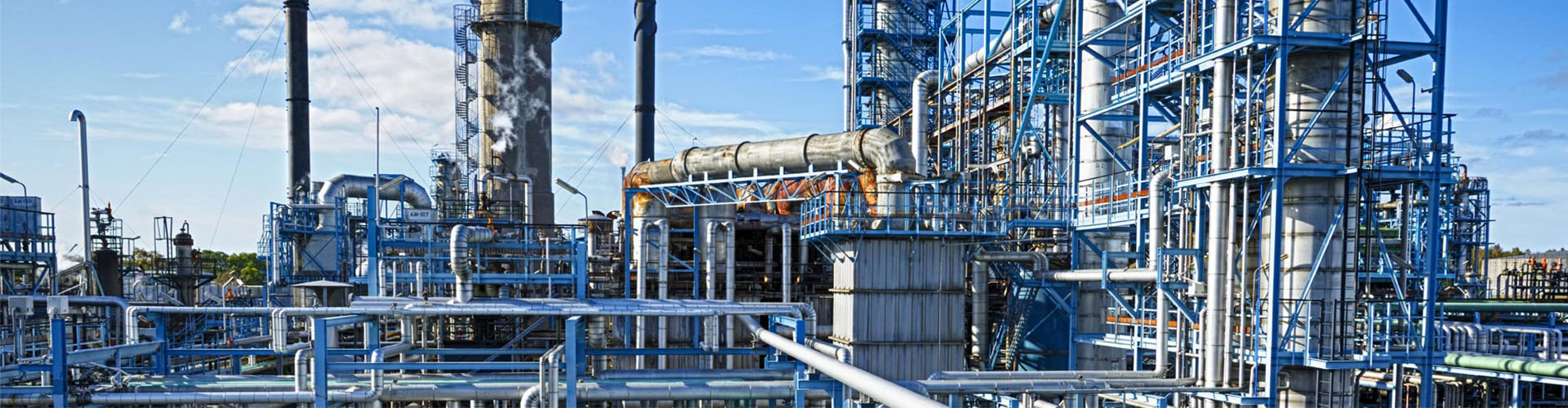
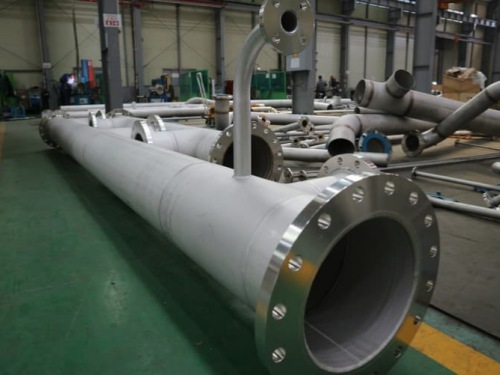
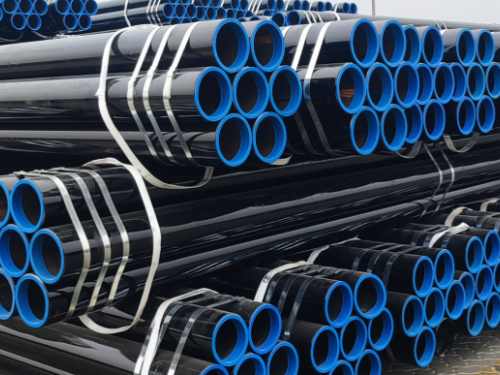
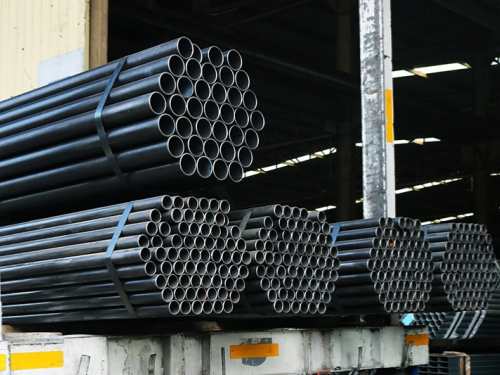
Drill pipe is a hollow, thick-walled drill pipe that delivers drilling fluid and torque through the wellbore to the drill bit on the rig. When rotating and lifting the bottom hole assembly (BHA), it can withstand severe internal and external pressures, deformation, bending, and vibration. The two ends of the drill pipe are threaded together in a section of pipe called a tool joint. It is produced, sampled, tested and inspected to standard specifications such as the American Petroleum Institute (API).
Drill pipe type
Standard drill pipe is the long tubular part that constitutes the main body of the drill string. They are usually 31 feet long tubular pipes, but can be anywhere from 18 to 45 feet long.
Heavy duty drill pipe (HWDP) is a tubular pipe that adds weight or acts as a transition in the drill string. As an ITD in the drill string, it is located between the drill collar and the standard drill pipe to reduce fatigue failure. In other applications, the HWDP is used as an additional weight to support the drill string.
The drill collar is a component of the BHA and a part of the BHA. They are thicker, heavier and stiffer than drill pipe and are used to reduce the weight of the drill bit while suppressing vibration and impact forces.
API level pipe
API SPEC 5DP specifies three product specification levels (PSL-1, PSL-2, and PSL-3). PS-1 specifies material grade-specific wall thickness, impact strength, and yield strength requirements. Specification levels PL-2 / PL-3 have additional mandatory requirements.

 English
 Español