Square steel tubing is one of the most widely used structural materials in construction, infrastructure, manufacturing, and engineering. Thanks to its high strength-to-weight ratio, uniform geometry, and excellent weldability, square tubing is ideal for load-bearing structures, equipment frames, architectural projects, and industrial fabrication.
Choosing the correct square tubing size is critical for ensuring structural safety, reducing material costs, and improving fabrication efficiency. This guide explains standard square tube dimensions, common applications, selection criteria, and frequently asked questions to help engineers, contractors, and buyers choose the right product.
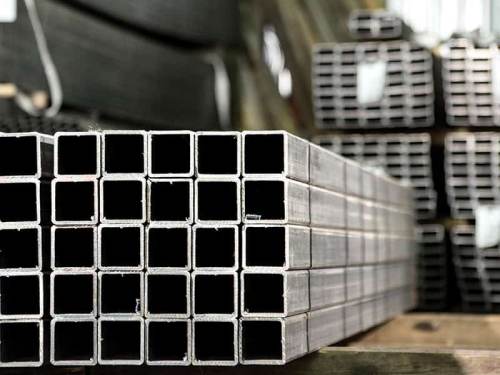
What Is Square Steel Tubing?
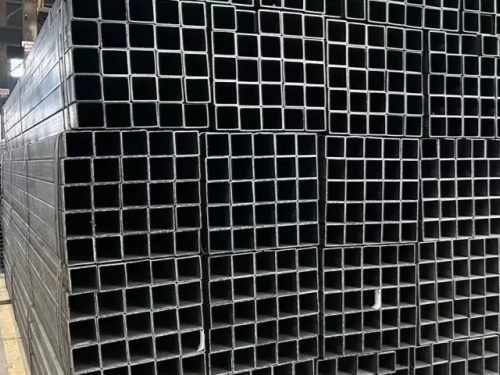
Square steel tubing is a hollow structural section (HSS) with four equal sides. It is manufactured through welded or seamless processes and is available in carbon steel, galvanized steel, stainless steel, and alloy steel grades.
Compared with solid steel bars, square tubing offers:
Higher strength-to-weight ratio
Reduced material consumption
Easy welding and fabrication
Excellent torsional resistance
Clean architectural appearance
It is commonly manufactured according to international standards such as ASTM A500, ASTM A513, EN 10219, and JIS specifications.
Common Square Tubing Sizes
The following table shows typical square tubing dimensions used across construction and industrial applications.
|
Outside Dimension
|
Common Wall Thickness
|
Typical Applications
|
|
20 × 20 mm
|
1.2–2.0 mm
|
Furniture, decorative structures
|
|
40 × 40 mm
|
1.5–3.0 mm
|
Gates, fencing, light construction
|
|
50 × 50 mm
|
2.0–4.0 mm
|
Equipment frames, machinery
|
|
75 × 75 mm
|
2.5–5.0 mm
|
Structural supports, platforms
|
|
100 × 100 mm
|
3.0–6.0 mm
|
Building columns and heavy frameworks
|
|
150 × 150 mm
|
4.0–8.0 mm
|
Industrial plants and infrastructure
|
Custom sizes and wall thicknesses are also available depending on project specifications.
How to Choose the Right Square Tubing Size
Selecting the proper square tubing dimensions depends on several engineering and project requirements.
- Load Capacity
Higher structural loads generally require larger tube sizes or thicker wall sections to improve bending and compression resistance.
- Span Length
Longer spans usually require increased section modulus to minimize deflection and maintain structural stability.
- Material Grade
Common structural grades include:
ASTM A500 Grade A
ASTM A500 Grade B
ASTM A500 Grade C
Higher grades typically provide greater yield strength for demanding applications.
- Service Environment
Indoor projects often use black steel tubing, while outdoor, coastal, or humid environments benefit from galvanized or corrosion-resistant finishes.
- Fabrication Requirements
Square tubing is easy to cut, drill, weld, and bolt, making it suitable for prefabricated steel structures and modular construction.
Why Square Steel Tubing Is Widely Used
Modern construction increasingly favors square tubing because it combines structural performance with fabrication efficiency.
Its key advantages include:
|
Feature
|
Benefit
|
|
Uniform Cross Section
|
Balanced strength in all directions
|
|
Hollow Structure
|
Lower weight while maintaining rigidity
|
|
Excellent Weldability
|
Faster fabrication and installation
|
|
Multiple Surface Finishes
|
Improved corrosion protection
|
|
Wide Size Range
|
Suitable for light-duty and heavy structural applications
|
These benefits help reduce installation time, lower transportation costs, and improve overall project efficiency.
Quality Control for Square Steel Tubing
Reliable manufacturers perform comprehensive inspections to ensure product quality and compliance with international standards.
Typical quality tests include:
Chemical composition analysis
Tensile testing
Yield strength verification
Dimensional inspection
Straightness measurement
Surface inspection
Non-destructive testing (NDT)
These inspections help guarantee consistent mechanical properties and dimensional accuracy before delivery.
FAQ
Q1: What are the standard square tubing sizes?
Common sizes range from 20 × 20 mm to 150 × 150 mm, with various wall thickness options for different structural requirements.
Q2: Which standard is commonly used for structural square tubing?
ASTM A500 is one of the most widely used standards for carbon steel structural tubing.
Q3: Is galvanized square tubing better for outdoor applications?
Yes. The zinc coating provides excellent corrosion resistance, making galvanized tubing ideal for outdoor and humid environments.
Q4: How do I choose the correct square tubing size?
Consider load capacity, span length, wall thickness, material grade, environmental conditions, and applicable design standards before selecting the tube size.

 English
 Español