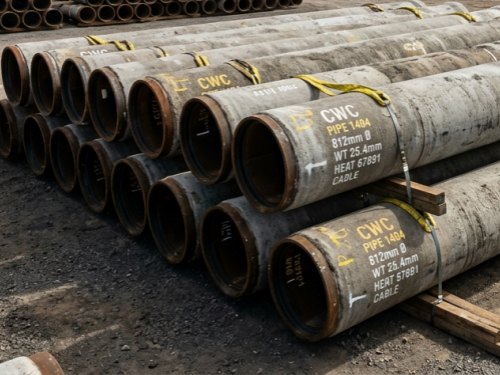
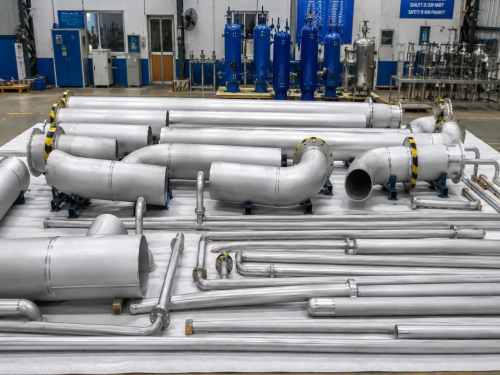
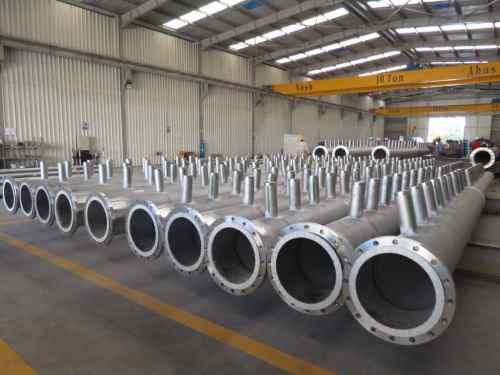
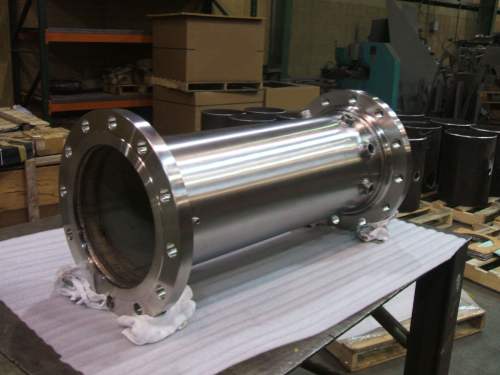
Carbon steel piping spools are prefabricated pipe assemblies used to transport fluids and connect equipment in industrial piping systems. They are widely used in the oil and gas, petrochemical, chemical processing, power generation, and construction industries because of their versatility, structural strength, and adaptability to different operating conditions.
A piping spool may consist of straight pipe sections, flanges, elbows, and other fittings assembled according to project drawings. Prefabrication supports more controlled manufacturing and can simplify installation, maintenance, and replacement work on site.
Carbon steel pipe spools are commonly used to handle water, oil, natural gas, and various industrial fluids. Their suitability for a particular application depends on the material grade, wall thickness, design pressure, operating temperature, corrosion conditions, and applicable project specifications.
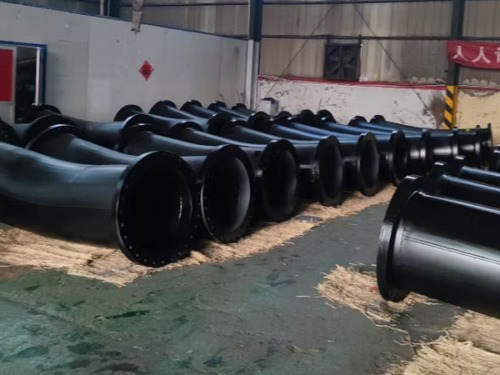
Carbon Steel Pipe Spool Weight and Bolt Hole Chart
The following table provides the supplied reference data for carbon steel piping spool sizes, pipe classes, wall thicknesses, weights, and flange bolt-hole dimensions.
Carbon Steel Piping Spools Weight and Flange Dimensions
|
Size (in)
|
Pipe Class
|
Wall Thickness (in)
|
Weight (lb/ft)
|
Bolt Hole (in)
|
Bolt Diameter (in)
|
Number of Bolts
|
Flange OD (in)
|
Bolt Circle (in)
|
Flange Thickness (in)
|
|
3
|
54
|
0.34
|
12.2
|
0.75
|
0.63
|
4
|
7.50
|
6.00
|
0.75
|
|
4
|
56
|
0.41
|
17.8
|
0.75
|
0.63
|
8
|
9.00
|
7.50
|
0.94
|
|
6
|
58
|
0.49
|
31.1
|
0.87
|
0.75
|
8
|
11.00
|
9.50
|
1.00
|
|
8
|
58
|
0.51
|
43.4
|
0.87
|
0.75
|
8
|
13.50
|
11.75
|
1.12
|
|
10
|
59
|
0.56
|
58.6
|
1.00
|
0.87
|
12
|
16.00
|
14.25
|
1.19
|
|
12
|
60
|
0.61
|
76.7
|
1.00
|
0.87
|
12
|
19.00
|
17.00
|
1.25
|
|
14
|
61
|
0.66
|
96.5
|
1.12
|
1.00
|
12
|
21.00
|
18.75
|
1.37
|
|
16
|
62
|
0.70
|
116.8
|
1.12
|
1.00
|
16
|
23.50
|
21.25
|
1.43
|
|
18
|
63
|
0.74
|
139.3
|
1.25
|
1.12
|
16
|
25.00
|
22.75
|
1.56
|
|
20
|
65
|
0.81
|
167.8
|
1.25
|
1.12
|
20
|
27.50
|
25.00
|
1.68
|
|
24
|
67
|
0.89
|
220.7
|
1.37
|
1.25
|
20
|
32.00
|
29.50
|
1.87
|
|
30
|
69
|
1.15
|
372.5
|
1.37
|
1.25
|
28
|
38.75
|
36.00
|
2.12
|
Note: The table reproduces the supplied reference values. The source does not identify the governing flange standard or fully define the pipe class designations. Confirm the applicable standard, pressure class, material grade, and dimensional requirements before using these figures for engineering or procurement.
Key Benefits of Carbon Steel Piping Spools
- Versatile Industrial Applications
Carbon steel piping spools can be configured for a wide range of industrial piping layouts. Depending on the material grade and design requirements, they can be used in fluid transportation systems across oil and gas facilities, chemical plants, power stations, and general industrial installations.
- Efficient Installation and Maintenance
Prefabricating piping assemblies before delivery can reduce the amount of fitting and welding required at the installation site. Spools manufactured to approved drawings also help installation teams coordinate pipe routing, equipment connections, and maintenance work.
- Strength for Demanding Piping Systems
Carbon steel is widely used in industrial piping because of its mechanical strength and availability in multiple grades and wall thicknesses. The correct specification must be selected according to operating pressure, temperature, fluid characteristics, and applicable design codes.
- Practical Weight and Connection Planning
A piping spool weight chart helps engineers and procurement teams estimate material requirements and compare configurations. Flange dimensions, bolt-hole sizes, bolt quantities, and bolt-circle diameters are also important for checking connection compatibility and planning installation.
What to Consider When Selecting Carbon Steel Piping Spools
Before ordering carbon steel pipe spools, buyers and project engineers should confirm the following details:
Pipe size and wall thickness: Ensure the dimensions match the approved piping drawings and design conditions.
Material grade: Specify the required carbon steel grade and material standard.
Flange specifications: Confirm flange type, pressure rating, facing, outside diameter, bolt-hole diameter, bolt-circle diameter, and thickness.
Operating conditions: Consider design pressure, temperature, fluid characteristics, and corrosion requirements.
Fabrication requirements: Define pipe cutting, fitting assembly, welding, dimensional tolerances, and inspection requirements.
Documentation: Specify material test certificates and any required welding, non-destructive testing, or pressure-test records.
Checking these details before fabrication helps prevent connection mismatches, installation delays, and specification errors.
Common Applications of Carbon Steel Piping Spools
Carbon steel piping spools are used in a variety of industrial environments, including:
Oil and gas production and processing facilities
Petroleum refineries and petrochemical plants
Chemical processing systems
Power generation facilities
Water and industrial fluid transportation
Industrial equipment and process piping
New piping installations and maintenance projects
The required material grade, dimensions, fabrication method, and inspection scope vary according to the application and project specifications.
FAQ
- What are carbon steel piping spools used for?
They are used to connect pipes, valves, equipment, and fittings in industrial fluid transportation and process piping systems.
- What information is included in a carbon steel pipe spool weight chart?
A typical chart may include nominal pipe size, wall thickness, weight per unit length, flange dimensions, bolt-hole diameter, bolt quantity, and bolt-circle diameter.
- Why are flange bolt-hole dimensions important?
Correct bolt-hole dimensions and bolt-circle measurements help ensure that mating flanges align and can be assembled using compatible bolting.
- Are carbon steel piping spools suitable for chemical service?
They may be suitable for certain chemical services, but material compatibility must be evaluated against the specific fluid, concentration, temperature, pressure, and corrosion conditions.
- What should be confirmed before ordering piping spools?
Confirm the pipe and flange dimensions, material grade, pressure rating, connection details, fabrication requirements, inspection scope, and required documentation.

 English
 Español